NFL Stadiums Visualization
Pixela Labs transformed raw LiDAR scans into optimized, high-precision stadium geometry for real-time VFX, motion graphics, and animation.
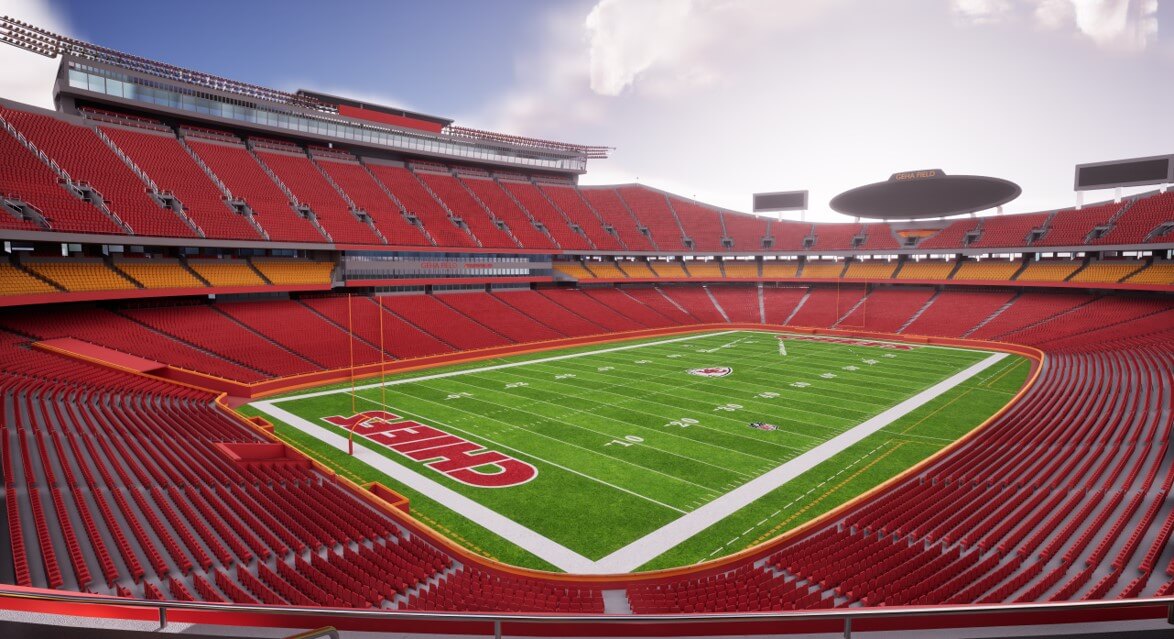
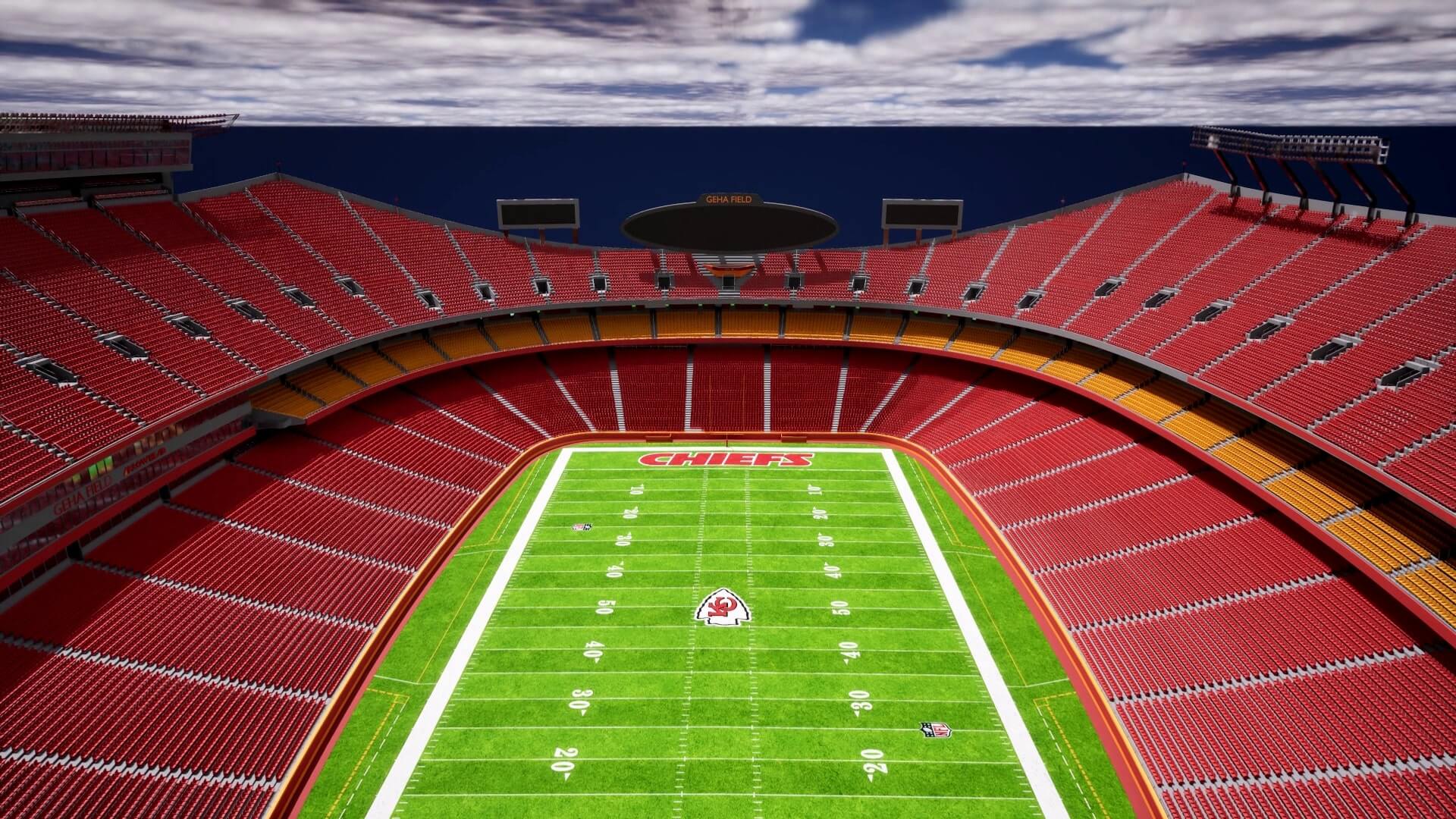
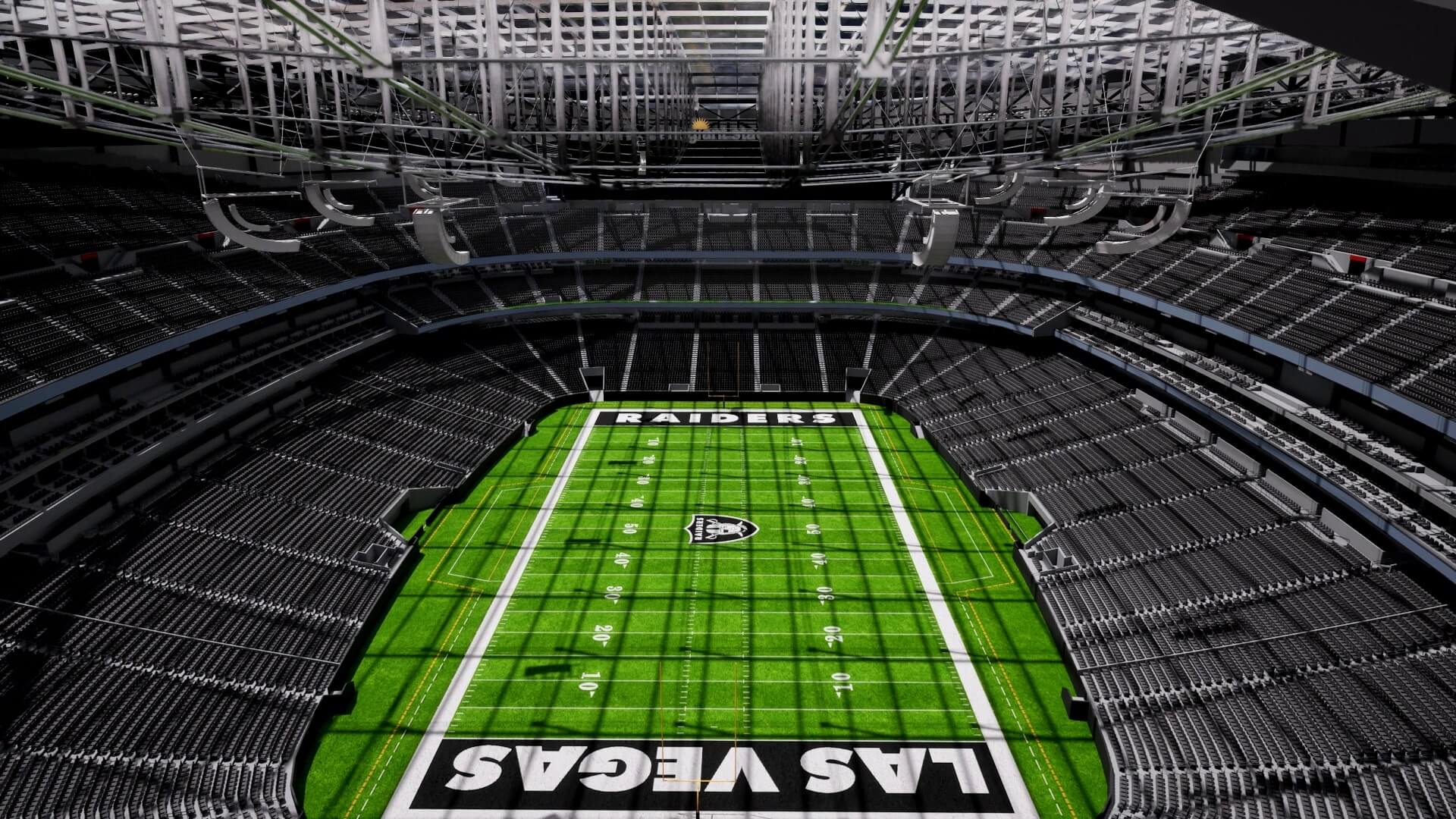
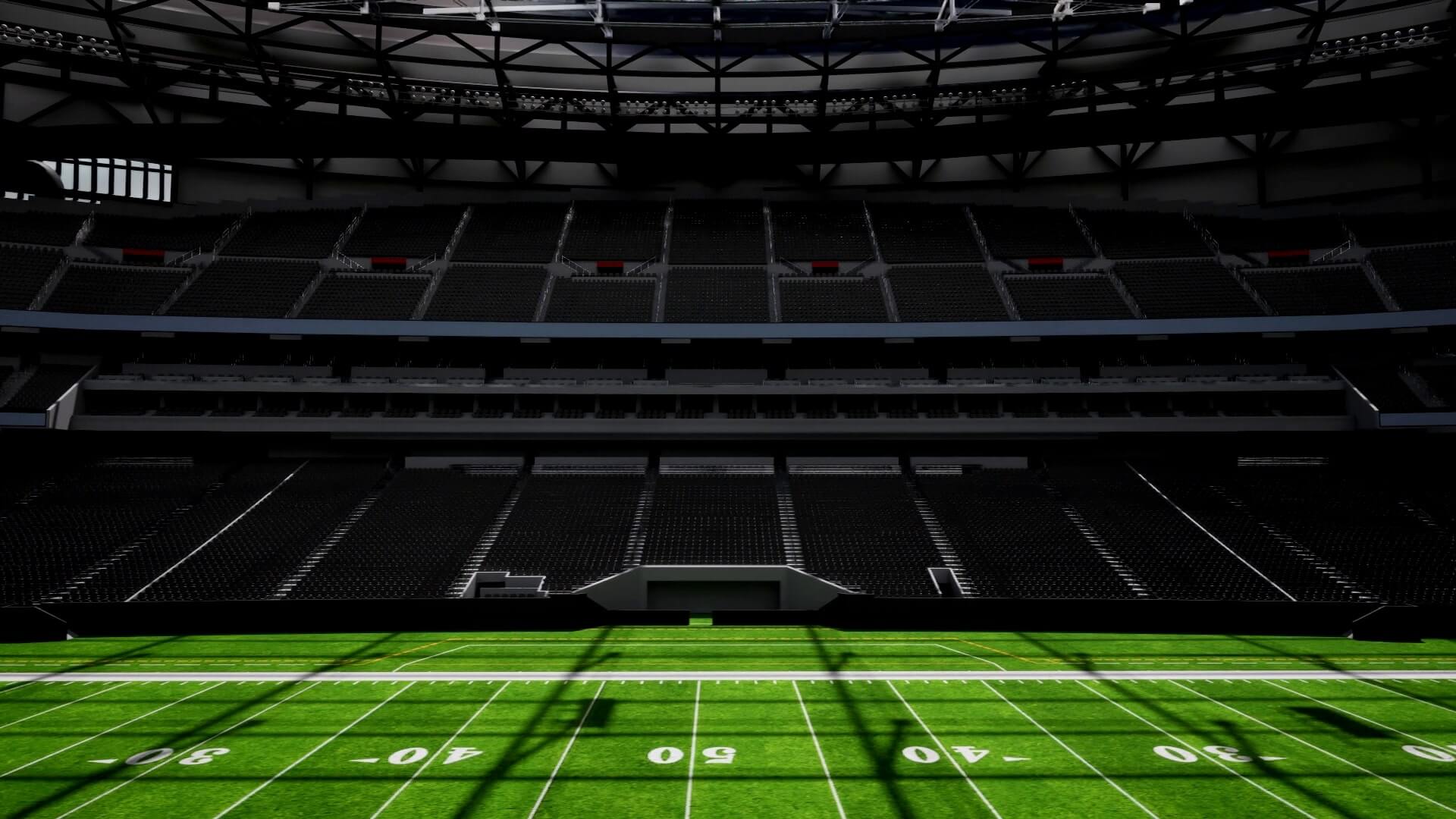
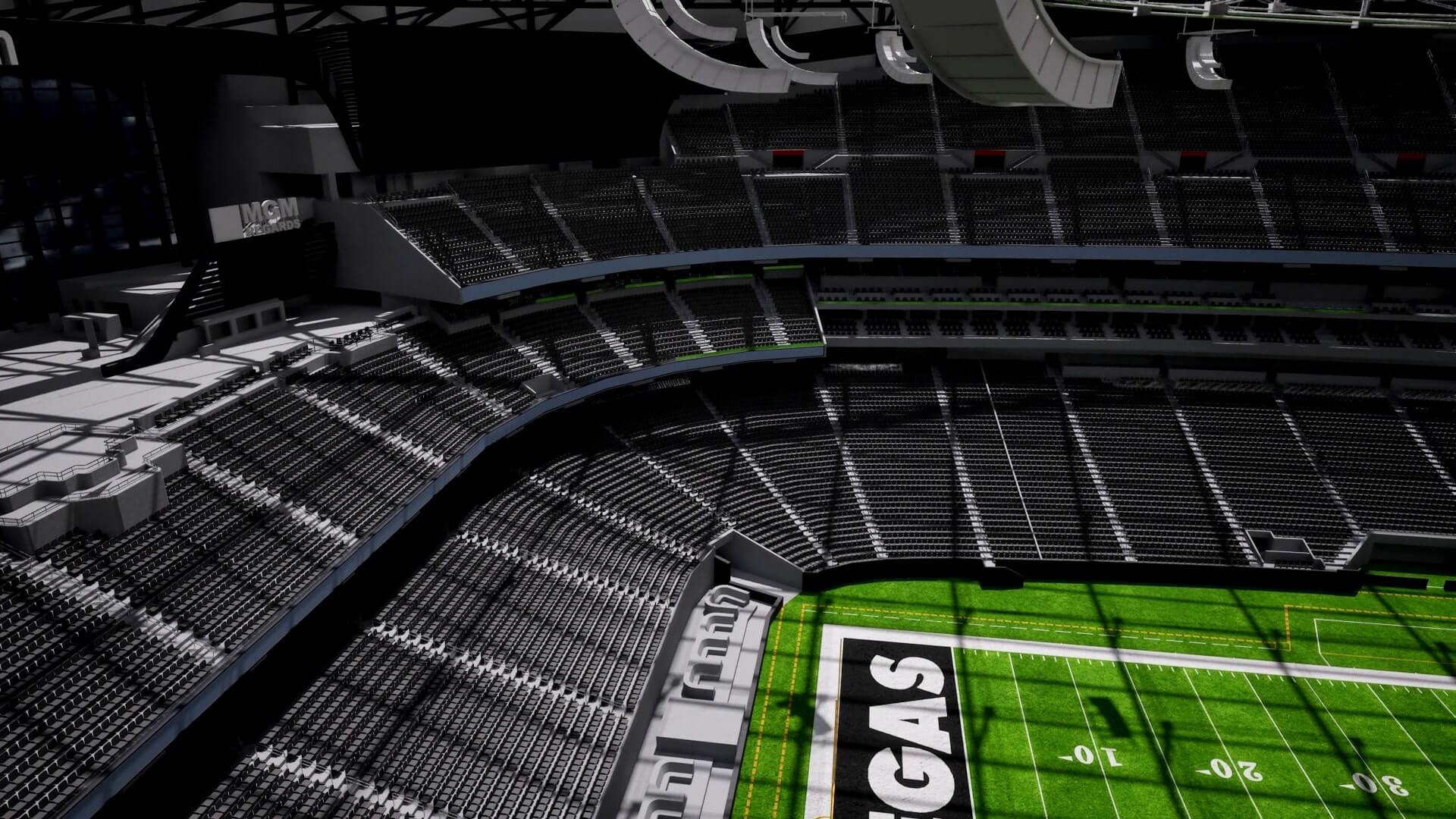
In collaboration with Silver Spoon Studio, Pixela Labs developed a digital twin of NFL stadiums designed specifically for real-time VFX, AR/VR environments, and immersive broadcast production. These models formed the technical backbone for placing animation and dynamic lighting in live and interactive experiences.
2024
Year
Sports / Broadcast / Real-Time Graphics
Industry
LiDAR processing, stadium modeling, seat placement logic, optimization, Unreal Engine prep
Scope of work
Background
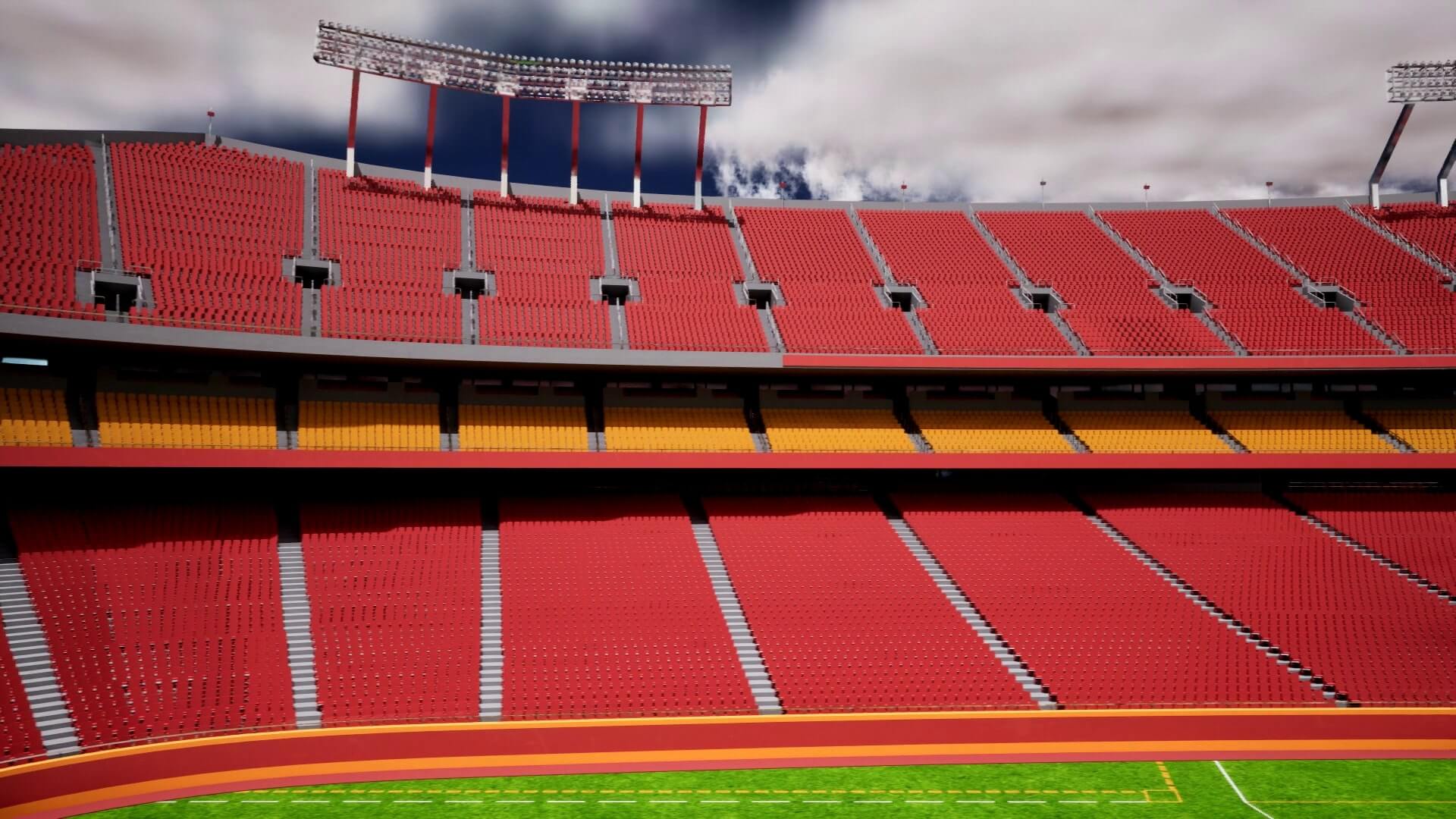
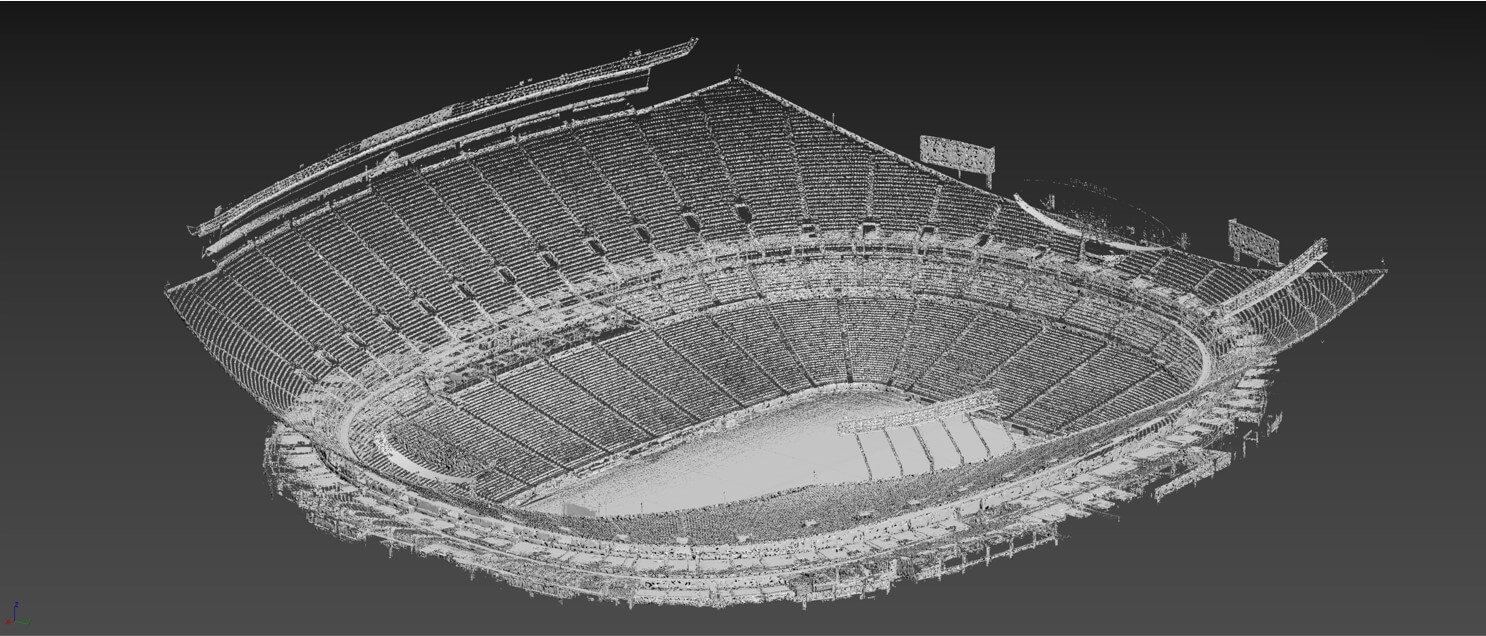
The starting point was a dense, unprocessed LiDAR point cloud — chaotic, heavy, and unusable in its raw form. Within just 3–5 days, Pixela Labs was tasked with converting it into clean, topologically accurate stadium geometry, prioritizing structural elements like seating zones over surface detailing.
This was not traditional asset modeling: every row, every seat, every stair had to match real-world layout to allow correct crowd placement, shadow casting, and spatial logic in Unreal Engine environments. Optimization was critical — the model needed to be both accurate and lightweight, ready for integration into real-time pipelines.
What We Did
LiDAR cleanup
Precision modeling
Seating system mapping
Geometry optimization
FBX structuring
UE-ready export
Outcomes
Optimized Unreal geometry
Real-Time Ready
Seat-by-seat mapping
Pixel-Accurate Layout
3–5 day turnaround
Fast Delivery
#StadiumVisualization
/
#LiDAR
/
#UnrealEngine
/
#VirtualCrowds
/
#DigitalTwin
/
#RealTimeVFX
/
#AR
/
#VR
/
#XR
/
#SportsTech
/
#PixelaLabs
/
#SilverSpoon
Explore more projects
BMW Group’s Driving Simulation Centre
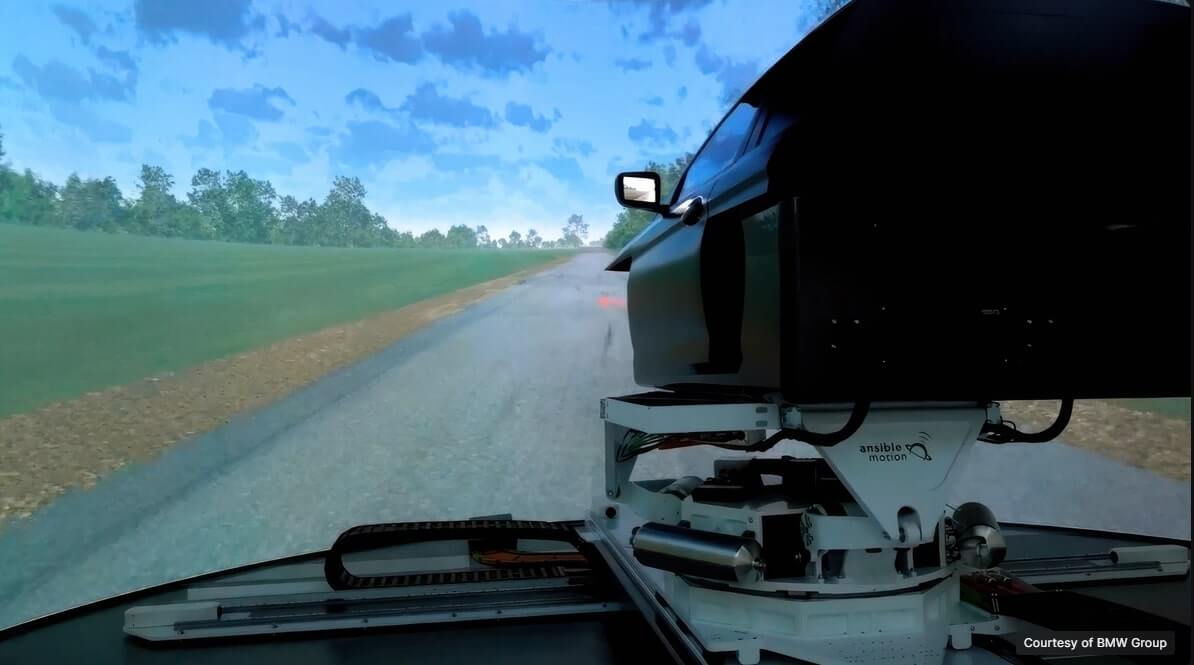
Pixela Labs integrated and optimized the nDisplay system for BMW’s high-fidelity driving simulator, delivering ultra-smooth 120Hz real-time visuals for advanced R&D in UX and autonomous driving.
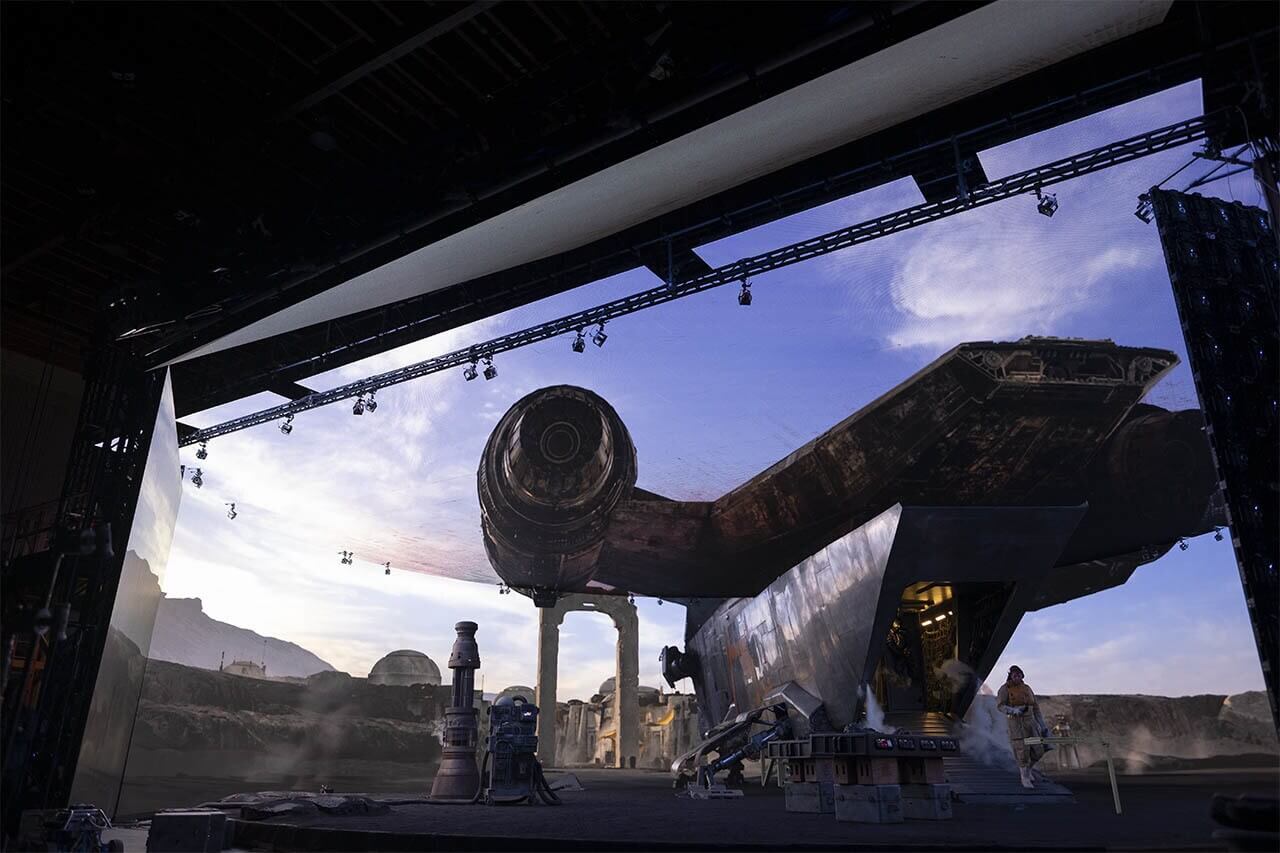
Virtual Production for the Mandalorian
Pixela Labs helped configure and optimize the multi-node nDisplay system for The Mandalorian, enabling real-time photorealistic environments on massive LED volumes — a milestone in virtual production.
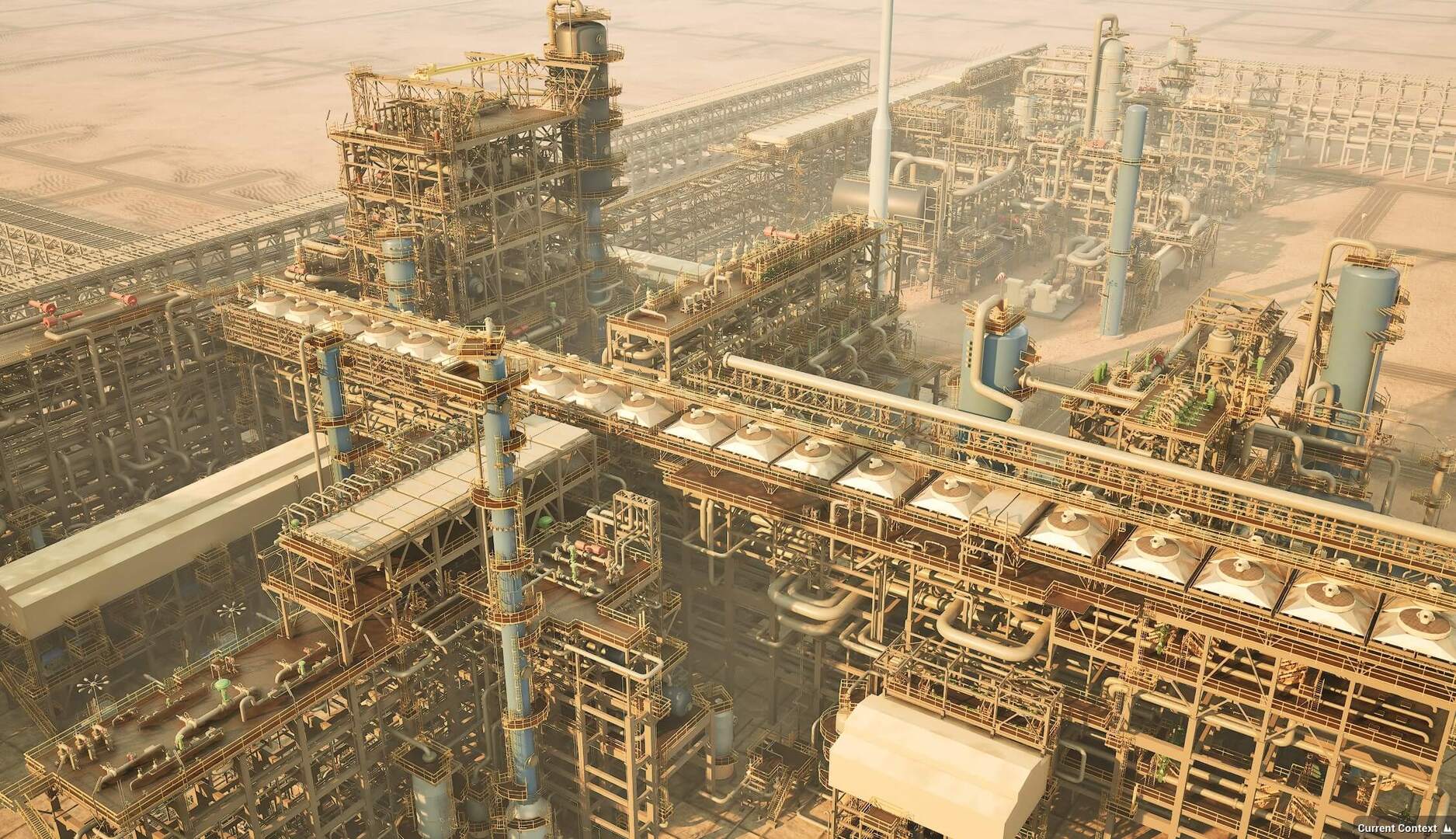
AKG gas plant
Conversion of full-scale AKG gas plant into a high-fidelity, tile-based, real-time ready 3D asset library with engineering-level detail.